
Water quality is a critical factor for homeowners to consider, as it affects not only the taste and safety of drinking water but also the overall health and longevity of plumbing systems and household appliances. Fortunately, there are various water filtration and softening systems available that can address different water quality issues. Here’s an overview of some common types of water filtration and water softening systems for your home.
Activated Carbon Filters: These filters use activated carbon to remove impurities such as chlorine, sediment, volatile organic compounds (VOCs), and other contaminants. Activated carbon filters are excellent for improving the taste and smell of water, making them a popular choice for drinking water systems.
Reverse Osmosis: Reverse osmosis (RO) systems are highly effective at removing a wide range of contaminants, including heavy metals, nitrates, fluoride, and salts. RO systems use a semi-permeable membrane to filter out impurities, providing clean, pure water. These systems are typically installed under the sink and are ideal for drinking water and cooking.
UV Water Purifiers: UV water purifiers use ultraviolet light to disinfect water by killing bacteria, viruses, and other microorganisms. These systems are often used in conjunction with other filtration methods to provide a comprehensive water treatment solution.
Sediment Filters: Sediment filters are designed to remove particulate matter such as sand, dirt, and rust from water. These filters are often used as a pre-filter in combination with other filtration systems to protect them from clogging and improve their efficiency.
Distillation: Distillation systems boil water to create steam, which is then condensed back into water, leaving impurities behind. This method is effective at removing a wide range of contaminants, but it is slower and consumes more energy than other filtration methods.
Salt-Based Water Softeners: Salt-based water softeners use ion exchange technology to remove hard water minerals such as calcium and magnesium from water. The system exchanges these minerals with sodium or potassium ions, resulting in softened water that is gentle on plumbing and appliances.
Salt-Free Water Conditioners: Salt-free water conditioners use various methods such as template-assisted crystallization or magnetic fields to alter the structure of hard water minerals, preventing them from sticking to surfaces. While these systems don’t remove hard water minerals, they help reduce scale buildup and extend the life of appliances.
Dual-Tank Softeners: Dual-tank water softeners feature two tanks, allowing one tank to continue softening water while the other tank regenerates. This setup ensures a continuous supply of softened water, making it ideal for larger households with higher water usage.
Portable Water Softeners: Portable water softeners are smaller units designed for use in RVs, boats, or homes with limited space. They work similarly to salt-based systems but on a smaller scale and are easy to install and maintain.
When selecting a water filtration or softening system, consider your specific water quality issues and household needs. Start by testing your water to determine the types and levels of contaminants present. This information will help you choose the most appropriate system.
For filtration systems, consider whether you need whole-house treatment or point-of-use filtration for specific taps. For water softeners, consider the hardness level of your water and the size of your household.
In any case, it’s important to research and choose a reputable brand and model that meets your needs and budget. Regular maintenance and filter replacement are crucial for the optimal performance of these systems.
By investing in a quality water filtration or softening system, you can improve the quality of your water, protect your plumbing and appliances, and enhance the overall comfort of your home.

As the winter chill fades away and the sun starts shining brighter, it’s time to shake off the last remnants of cold weather and prepare your home for the joys of summertime. Whether you’re planning backyard barbecues, pool parties, or simply want to enjoy the warm weather in the comfort of your own space, getting your home ready for summer can be both fun and practical.
1. Spruce Up Your Outdoor Space Start by giving your outdoor space a little TLC. Clean off your patio furniture, sweep away any debris, and consider adding some fresh cushions or pillows for a pop of color. If you have a deck or patio, inspect it for any signs of wear and tear and make any necessary repairs.
2. Create a Relaxing Oasis: Turn your backyard into a tranquil retreat by adding some greenery. Plant colorful flowers, set up a few potted plants, or even create a small herb garden. Not only will this add beauty to your outdoor space, but it can also help attract birds and butterflies, adding to the ambiance.
3. Prep Your Grill: Summer isn’t complete without a few backyard barbecues, so make sure your grill is ready to go. Give it a good cleaning, check the propane tank or stock up on charcoal, and make sure you have all the necessary tools and accessories. Consider experimenting with new marinades and recipes to spice up your summer meals.
4. Stay Cool Indoors: As temperatures rise, you’ll want to make sure your home stays cool and comfortable. Start by servicing your air conditioning system to ensure it’s running efficiently. You can also consider installing ceiling fans or using portable fans to help circulate air and keep your home cool without cranking up the AC.
5. Pool Preparation: If you’re lucky enough to have a pool, now’s the time to get it ready for swimming season. Clean and skim the pool, test the water chemistry, and make any necessary repairs to the pool equipment. Don’t forget to stock up on sunscreen, pool toys, and floats for endless hours of summer fun.
6. Light Up the Night: Extend your summer days into the evening by adding some outdoor lighting to your backyard. String lights, lanterns, or solar-powered garden lights can create a warm and inviting atmosphere for evening gatherings or late-night swims.
7. Plan Outdoor Activities: Take advantage of the longer days and warmer weather by planning some outdoor activities for you and your family. Whether it’s a hike in the mountains, a day at the beach, or a bike ride around your neighborhood, spending time outdoors is a great way to embrace the summer season.
8. Stay Energy Efficient: While you’re enjoying all the fun that summer has to offer, don’t forget to keep an eye on your energy usage. Take steps to make your home more energy-efficient, such as installing programmable thermostats, using energy-efficient appliances, and sealing any drafts or leaks around windows and doors.
9. Safety First: Finally, as you gear up for summer, remember to prioritize safety. Check your smoke detectors and carbon monoxide detectors to ensure they’re working properly, and review your family’s emergency preparedness plan. If you have a pool, make sure it’s securely fenced and consider installing a pool alarm for added peace of mind.
With these fun and smart tips, you’ll be well on your way to making the most of the summer season. So dust off your flip-flops, fire up the grill, and get ready to enjoy all that summer has to offer right in the comfort of your own home.

When it comes to decorating our homes, we often dive headfirst into design trends and personal preferences without considering the long-term impact on resale value. Whether you’re planning to sell your home in the near future or simply want to maintain its value over time, avoiding common decorating mistakes is crucial. Let’s delve into some of these pitfalls and explore how they can affect your home’s resale value.
While vibrant hues and bold patterns may reflect your unique style, they can be polarizing for potential buyers. Opting for neutral colors like soft whites, grays, and beige creates a versatile canvas that appeals to a broader audience. Neutral walls and decor make it easier for buyers to envision themselves living in the space, ultimately increasing the likelihood of a sale.
Lighting can dramatically influence the ambiance and functionality of a room. Dark, poorly lit spaces can feel cramped and uninviting, detracting from the overall appeal of your home. Invest in a combination of overhead lighting, task lighting, and accent lighting to brighten up every corner. Natural light is especially prized, so maximize it by keeping curtains sheer and windows clean.
While that plush sectional may be incredibly comfortable, it can overwhelm a small living room and make it appear cramped. Overly large furniture pieces can hinder traffic flow and diminish the perceived size of a room. Instead, opt for appropriately scaled furniture that fits the proportions of each space. This not only enhances the functionality of the room but also creates a more harmonious layout.
The exterior of your home sets the tone for the entire property. Neglecting curb appeal by failing to maintain the lawn, neglecting landscaping, or allowing the facade to deteriorate can significantly detract from its resale value. Enhance your home’s exterior by keeping the lawn manicured, adding fresh mulch to flower beds, and updating the front door with a fresh coat of paint or stylish hardware.
While it’s important to infuse your home with personal touches, too much customization can backfire when it comes time to sell. Highly specific decor choices, such as themed rooms or overly eclectic styles, may alienate potential buyers who don’t share your taste. Aim for a balance between personalization and universality, allowing buyers to envision themselves living in the space while still appreciating your unique style.
Falling for the latest design trends without considering their practicality can lead to costly mistakes. While that trendy open-concept layout may be all the rage, it may not suit your family’s lifestyle or future buyers’ preferences. Prioritize functional design elements that enhance daily living, such as ample storage, efficient traffic flow, and comfortable furnishings.
In an effort to save money, some homeowners opt for budget-friendly decor and finishes that lack longevity and durability. While it’s important to stick to your budget, cutting corners on quality can ultimately diminish your home’s resale value. Invest in high-quality materials and craftsmanship that will stand the test of time, from hardwood flooring to kitchen countertops.
By avoiding these common decorating mistakes, you can safeguard your home’s resale value and ensure that it remains an attractive prospect for potential buyers. Remember to strike a balance between personal style and broad appeal, prioritizing timeless design choices that will withstand the whims of changing trends. Your home is not only a reflection of your personality but also a valuable investment that deserves thoughtful consideration in its decoration.

Easter, a joyous time of renewal and celebration, is just around the corner! Whether you’re commemorating religious significance or simply reveling in the arrival of spring, there’s no shortage of ways to make this holiday egg-ceptional. From timeless traditions to creative decorations, let’s dive into the colorful world of Easter!
One of the most cherished Easter traditions is, of course, the Easter egg hunt. Children excitedly scour backyards and parks in search of colorful eggs hidden by the Easter Bunny. This tradition symbolizes the search for new life and the joy of discovery. To add a twist, consider organizing a nighttime glow-in-the-dark egg hunt for extra excitement!
Another classic Easter activity is dyeing eggs. From pastel hues to vibrant colors, decorating eggs is a fun and creative way to celebrate the holiday. Experiment with different dyeing techniques like marbleizing or using stickers and rubber bands for unique designs. Don’t forget to display your masterpieces in a festive basket as a centerpiece for your Easter table.
Easter wouldn’t be complete without a delicious feast shared with family and friends. Traditional Easter dishes vary around the world, but common favorites include glazed ham, roasted lamb, hot cross buns, and, of course, chocolate eggs and bunnies! Consider hosting a potluck-style gathering where everyone brings their favorite Easter dish to share, creating a diverse and mouthwatering spread.
For those looking to add a touch of whimsy to their Easter celebrations, consider organizing themed activities like egg decorating contests, bunny costume parades, or even a friendly game of egg roulette (where participants crack eggs on their foreheads to see who gets a raw one!). These activities are sure to bring laughter and joy to your Easter festivities.
Transforming your home into an Easter wonderland is a delightful way to get into the holiday spirit. Start by adorning your front door with a festive wreath featuring colorful eggs, spring flowers, and playful bunny figurines. Inside, brighten up your living space with cheerful Easter-themed pillows, throws, and table linens in pastel shades.
To create an eye-catching Easter centerpiece, fill a clear glass vase with a mix of dyed eggs, fresh flowers, and greenery. Add some Easter-themed figurines or candles for extra charm. For a more rustic look, arrange a collection of decorated eggs in a wooden crate or basket adorned with ribbons and bows.
Don’t forget to deck out your dining table with Easter-themed place settings and centerpieces. Consider using colorful egg cups as holders for boiled eggs or placing small nests filled with candy eggs at each place setting for a sweet surprise. For an extra touch of elegance, add a sprinkling of glitter or metallic accents to your table decorations.
Easter is a time of joy, hope, and new beginnings, and there are countless ways to celebrate this special holiday. Whether you’re partaking in timeless traditions, hosting a festive gathering, or decorating your home with colorful Easter decor, the key is to embrace the spirit of the season and spread joy to those around you. So hop to it and make this Easter one to remember!

As the cold winter months approach, homeowners gear up for the challenges that come with plummeting temperatures. Besides winterizing their homes and vehicles, it’s crucial to consider the safe storage of items like gasoline and other potentially hazardous materials. Proper storage not only ensures safety but also preserves the quality and usability of these substances. Here’s a comprehensive guide on safely storing gas and other items during the winter.
Invest in approved containers specifically designed for gasoline storage. Look for containers made of sturdy materials like metal or plastic, equipped with secure caps to prevent leakage. Ensure the containers are in good condition without any cracks or damages.
Store gasoline in a well-ventilated area away from direct sunlight and any potential heat sources. Ideally, keep it in a detached, well-ventilated shed or garage. Avoid storing it in your home or basement to mitigate the risk of fumes accumulation.
Gasoline can expand in extreme temperatures, leading to container damage or leakage. Ensure the storage area remains at a moderate temperature to prevent any adverse effects on the container or the gasoline itself.
Clearly label the containers as “Gasoline” to avoid any confusion and ensure that it’s stored away from children and pets. Additionally, consider labeling the purchase date to keep track of its age and usability.
Only store the amount of gasoline needed for immediate use. Avoid storing excessive quantities as it increases the risk and could lead to potential hazards.
If you use propane for grills or heaters, ensure the tanks are stored upright in a well-ventilated area outside the home. Keep them away from potential ignition sources and check for any leaks before storing them.
Many household cleaning products can be affected by extreme temperatures. Ensure these items are stored in a dry, cool place away from direct sunlight. Check the labels for any specific storage instructions.
Cold temperatures can negatively impact the performance of batteries. Store spare batteries in a dry, room-temperature environment to maintain their efficacy.
Store these items in a climate-controlled area, away from freezing temperatures. Freezing can alter their composition, rendering them unusable.
Drain fuel from lawn mowers, snow blowers, and other outdoor equipment before storing them for the winter. This prevents fuel from degrading or causing damage to the machinery.
Always ensure proper ventilation in the storage area to prevent the buildup of fumes.
Strictly prohibit smoking in the vicinity of any stored flammable items.
Equip the storage area with fire extinguishers and smoke detectors for added safety measures.
By adhering to these storage guidelines, homeowners can ensure the safety of their families, properties, and the environment during the winter months. Remember, proper storage not only prevents hazards but also maintains the quality and usability of these items for future use. Stay safe, stay prepared, and enjoy a cozy winter season!

The holiday season is upon us, and that means gatherings, laughter, and the joy of hosting friends and family. Sometimes, those moments happen spontaneously. Whether it’s a planned gathering or an unexpected visit, getting your house guest-ready in under an hour can feel daunting. Fear not! With a strategic approach and a dash of creativity, you can transform your space into a welcoming haven for your guests in under an hour. Here are five easy steps to get your house guest-ready and leave a lasting impression.
The first step to a guest-ready home is to clear the clutter. Grab a laundry basket or a large bin and swiftly move through each room, gathering misplaced items. Focus on the main living areas and guest spaces like the living room, bathroom, and guest bedroom. Tuck away shoes, coats, and any lingering personal items into closets or under the bed. This simple act instantly creates an organized and inviting atmosphere.
Now that the clutter is under control, it’s time for a speed clean. Focus on high-traffic areas and surfaces. Wipe down countertops, tables, and kitchen appliances. Give the bathroom a quick once-over, replacing used towels with fresh ones and making sure the essentials like hand soap are stocked. A quick vacuum or sweep of the floors will make a significant difference in the overall tidiness of your home.
The right lighting can set the mood and create a warm, welcoming atmosphere. In each room, ensure that you have enough light to create a bright and inviting space. Open curtains or blinds to let in natural light during the day, and strategically place lamps or candles for a cozy ambiance in the evening. Consider using warm-toned light bulbs to add a touch of sophistication.
Inject a bit of holiday spirit into your home with minimal effort. Grab a few festive throw pillows and blankets to adorn your living room and guest areas. A scented candle with seasonal fragrances like cinnamon or pine can instantly make your space feel more inviting. If you have a little more time, a small bowl of holiday-themed snacks or a tray of hot beverages can add an extra special touch for your guests to enjoy.
Finally, add a personal touch to make your guests feel truly welcome. Place a few fresh flowers in a vase, set out a stack of magazines, or arrange some family photos in the guest bedroom. These small touches go a long way in creating a comfortable and inviting space that your guests will appreciate.
In under an hour, you’ve transformed your home into a haven for guests, ready to celebrate the holiday season. With a clear and organized space, a touch of holiday cheer, and a warm ambiance, you’ll make your guests feel right at home, creating lasting memories for the season. So, take a deep breath, follow these simple steps, and get ready to welcome your guests with open arms and a festive spirit!
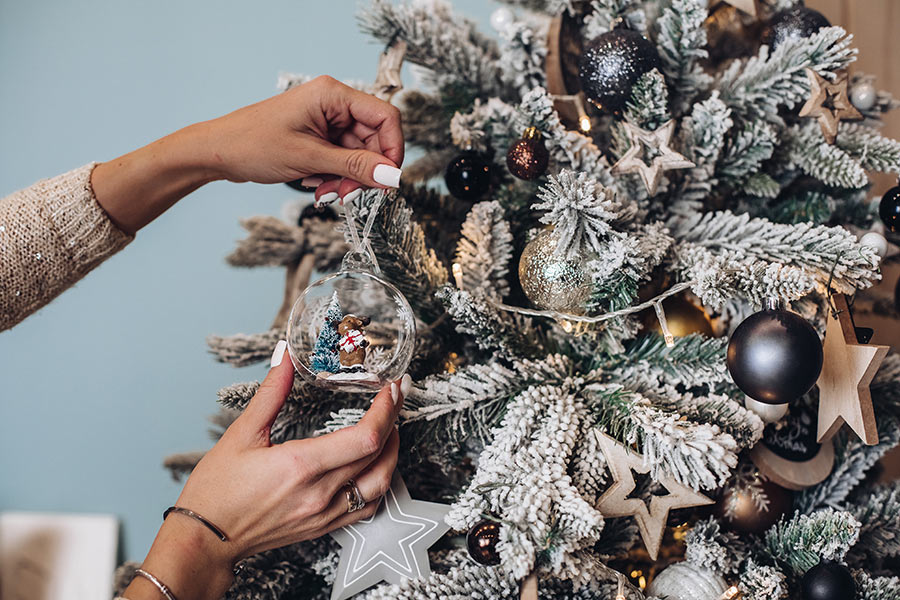
The holiday season is a magical time of year when homes are adorned with twinkling lights, festive ornaments, and the unmistakable scent of evergreen trees. Christmas decorations have the power to transform your living space into a winter wonderland, and the question of when to put them up and take them down is a yearly conundrum. Let’s dive into the traditions and considerations that can help you strike the perfect balance.
Thanksgiving Weekend: Many people consider the Thanksgiving weekend to be the unofficial starting point for the Christmas season. After all, it’s a time when family and friends gather, making it an excellent opportunity to put up the decorations together.
The First Weekend of December: If you’re not a fan of mixing holidays or want to preserve the distinctiveness of Thanksgiving, the first weekend of December is a popular choice. It allows you to enjoy your Christmas decorations for a full month.
Advent: For those who follow Christian traditions, Advent begins on the fourth Sunday before Christmas and marks the official start of the Christmas season. Many families choose to decorate their homes during this time, adding one element to their decorations each Sunday.
Personal Preference: Ultimately, the best time to put up your Christmas decorations depends on your personal preferences. If you can’t wait to start celebrating, there’s no harm in decorating your home as early as you like.
Twelfth Night: The tradition of taking down Christmas decorations on Twelfth Night, which falls on January 5th or 6th, has been practiced in many cultures for centuries. It’s the 12th night after Christmas and is seen as the end of the Christmas season.
Epiphany: For Christians, January 6th, also known as Epiphany, commemorates the visit of the Magi to the infant Jesus. It is a significant day in the Christian calendar, and taking down decorations on this day is a way to honor the end of the Christmas season.
New Year’s Day: Some people prefer to start the new year with a fresh and uncluttered home. Taking down Christmas decorations on New Year’s Day can symbolize a fresh start and a clean slate for the year ahead.
Groundhog Day: A less common but fun approach is to take down your decorations on Groundhog Day (February 2nd). This lighthearted tradition can extend the holiday spirit well into the new year.
Personal Convenience: In the end, the best time to take down your Christmas decorations depends on your schedule and convenience. If you feel ready to return to a more minimalistic decor, don’t hesitate to take them down at your leisure.
Ultimately, when to put up and take down Christmas decorations is a matter of tradition and personal choice. Whether you’re an early decorator, a strict adherent of Twelfth Night, or someone who finds a middle ground, the key is to enjoy the process. Decorating for the holidays and taking down decorations can be a cherished family tradition or a personal moment of reflection and preparation for the year ahead.
Remember that there’s no right or wrong answer, and the most important thing is to make choices that bring joy to you and your loved ones. If you put up your decorations early and take them down late, it doesn’t matter as long as it fills your heart with the warmth and happiness of the season.

When you embark on the exciting journey of buying a home, you’ll come across many unfamiliar terms and concepts. One of these is “escrow.” Escrow is a crucial part of the home buying process, and in this blog, we’ll explain what it is and why it matters to you.
At its core, escrow is a financial arrangement in which a neutral third party holds and manages funds or assets involved in a transaction until specific conditions are met. In the context of buying a home, escrow plays a pivotal role in ensuring a smooth and secure process for both the buyer and the seller.
Escrow serves several essential purposes:
Security for Both Parties: The seller wants assurance that the buyer has the necessary funds to complete the purchase, while the buyer wants assurance that the property’s title is clear, and there are no outstanding liens or disputes. Escrow helps address these concerns.
Fair Disbursement of Funds: The escrow agent, often a title company or an attorney, is responsible for disbursing the funds at the appropriate time in the transaction. This ensures that the seller receives the agreed-upon purchase price and that any outstanding debts or fees are paid.
Safeguarding Important Documents: The escrow holder also safeguards important documents, such as the deed to the property and the buyer’s mortgage documents, until all terms of the contract are met.
Here’s a step-by-step breakdown of how escrow functions during the home buying process:
Open an Escrow Account: Once you and the seller have agreed on the terms of the sale and signed a purchase agreement, the escrow process begins. An escrow account is opened, and the buyer usually deposits the earnest money into this account. Earnest money is a good faith deposit, typically around 1-2% of the purchase price, which demonstrates the buyer’s commitment to the transaction.
Title Search and Inspection: While the earnest money is in escrow, the buyer conducts inspections and a title search to ensure the property is in good condition and that there are no legal issues with the title.
Mortgage Approval: If the buyer is obtaining a mortgage, the lender will require various documents and assessments. The lender may also place the loan funds in escrow to ensure that they are available when needed.
Closing Process: When all conditions are met, the parties proceed to the closing. At this point, all funds, including the down payment, closing costs, and the loan amount, are placed in escrow.
Final Review and Disbursement: The escrow agent reviews the closing documents and ensures that all funds are in place. Once everything is in order, the escrow agent disburses the funds to the seller, pays any outstanding debts or fees, and records the deed in the buyer’s name.
Closing Escrow: After the closing process is completed, escrow is officially closed, and ownership of the property is transferred to the buyer. The title company will provide a title insurance policy to protect the buyer from any unforeseen issues that may arise in the future.
For home buyers, escrow offers several benefits, including:
Protection: It provides a safety net to ensure that the transaction goes smoothly and that you get what you paid for – a clear title and a property in good condition.
Financial Security: Your earnest money and down payment are protected during the process.
Organization: Escrow ensures that all documents and funds are properly organized and disbursed at the right time.
While it may seem like a complex concept at first, working with a knowledgeable real estate agent and an experienced escrow officer can make the process much smoother and more manageable. So, as you embark on your home buying journey, rest assured that escrow is here to help you make your homeownership dreams come true.
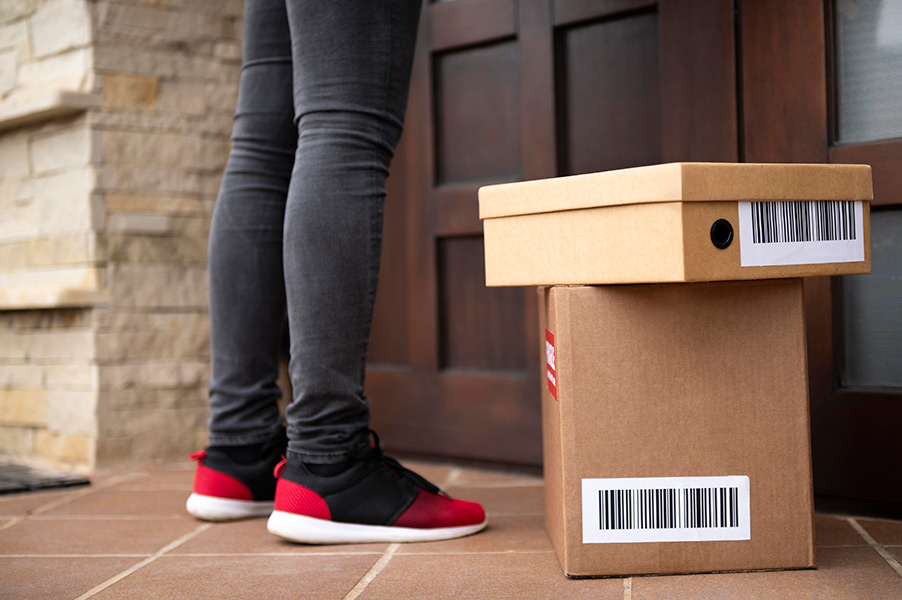
In the age of online shopping, package theft has become an increasingly common problem for homeowners. With the convenience of having items delivered to our doorsteps comes the risk of those items falling into the wrong hands. Fortunately, there are several proactive steps you can take to safeguard your packages and prevent theft. Here are some valuable tips and tricks to help you keep your deliveries safe.
Most delivery services offer package tracking apps or websites where you can monitor the progress of your deliveries in real-time. By staying informed about when your packages are expected to arrive, you can be ready to retrieve them promptly, reducing the window of opportunity for thieves.
Investing in a home security camera system can be an effective deterrent against package theft. Visible cameras can discourage potential thieves, and if a theft does occur, you’ll have valuable footage to provide to law enforcement.
When placing an order, specify delivery instructions to keep your package out of sight from potential thieves. Request that packages be left in a less visible spot, such as behind a fence, by the back door, or with a trusted neighbor. Many delivery services offer options to add these specific instructions during the checkout process.
Some retailers and delivery services provide in-store pickup options or secure locker delivery services. Choosing these alternatives can significantly reduce the risk of package theft since your items will be stored in a secure location until you’re ready to retrieve them.
Consider investing in a smart package locker system if you frequently receive packages. These lockers can be installed on your property and provide a secure and convenient way to receive and retrieve deliveries. Some models even come equipped with electronic locks and smartphone notifications.
Whenever possible, schedule your deliveries for times when you’re at home. This way, you can personally accept and secure your packages immediately upon arrival. Many delivery services offer delivery windows that allow you to choose a time that works best for you.
Sign up for package delivery alerts from your preferred delivery service or retailer. You’ll receive notifications via email or text message when your package is on its way and when it’s been delivered, enabling you to act quickly to retrieve it.
Establish a good rapport with your neighbors and consider creating a neighborhood watch program. Neighbors can help keep an eye on each other’s properties and packages, making it more challenging for thieves to operate unnoticed.
Invest in a lockable mailbox or package box to add an extra layer of security. These boxes are designed to keep your packages safe until you can retrieve them, preventing them from being left out in the open.
If you suspect package theft has occurred, report it to your local law enforcement agency and provide any available surveillance footage. Timely reporting can aid in the recovery of stolen items and help prevent future thefts.

As the seasons change, temperatures fluctuate and kids return to school, it becomes almost inevitable that someone in your house will get sick. Whether it’s the common cold, the flu, or a new variant of COVID-19, it’s crucial to be proactive and prepare your home to minimize the risk of illness and ensure comfort when someone does fall sick.
Before coming down with whatever is going around, give your home a thorough cleaning. Pay special attention to high-touch surfaces like doorknobs, light switches, remote controls, and countertops. Regularly disinfect these areas to prevent the spread of germs.
Make sure you have essential supplies on hand, including over-the-counter medications, tissues, hand sanitizers, and cleaning supplies. A well-stocked medicine cabinet and pantry can save you from last-minute runs to the store when you’re feeling under the weather.
Invest in an air purifier with HEPA filters to improve indoor air quality. Clean and replace air filters in your HVAC system regularly to reduce allergens and pathogens in the air. Proper ventilation also helps in circulating fresh air throughout your home.
Maintaining proper humidity levels in your home can prevent dry and irritated respiratory passages. Use a humidifier to add moisture to the air, especially during the cold, dry months.
Place hand sanitizers and hand-washing stations in key areas around your home, such as near entrances and in the kitchen and bathroom. Encourage regular handwashing, and make it convenient by providing soap and disposable hand towels.
Designate a room in your home as a sick room if possible. Stock it with extra blankets, pillows, and tissues. This room can be isolated from the rest of the household to limit the spread of illness.
Ensure that your laundry room is well-equipped to handle the increased demand during sick season. Stock up on laundry detergent and have a dedicated laundry basket for soiled linens and clothing. Use the hottest water temperature recommended for the fabric to kill germs.
Keep yourself informed about current health advisories and vaccination recommendations. Consider getting flu shots and other recommended vaccines to reduce the risk of infection.
Have a plan in place for when someone in your household falls sick. Assign responsibilities for caregiving, and make sure everyone knows where to find necessary supplies and medications.
Prepare easy-to-make, nourishing meals and stock your pantry with non-perishable foods. Soups, broths, and canned goods can be lifesavers when cooking energy is low.
Gather comfort items like books, movies, and cozy blankets to make sick days more bearable. Creating a comforting environment can promote a quicker recovery.
Stress the importance of rest and recuperation when someone is sick. Adequate sleep helps the body fight off infections more effectively.
Encourage a healthy lifestyle year-round with a balanced diet, regular exercise, and good hygiene practices to boost immunity and reduce the risk of falling ill.
By implementing these steps and maintaining a clean and health-conscious home environment, you can significantly reduce the chances of getting sick and ensure a smoother recovery if illness does strike. Remember, a healthy home is a happy home, and taking proactive measures can help you and your loved ones stay well throughout the year.
Like what you see? Make it Yours!